

What Is Ultrasonic Extraction Of Anthocyanins?
Sep 30, 2025
Anthocyanins, also known as flower pigments, are water-soluble natural pigments widely found in nature. Currently, over 20 known anthocyanins are known, six of which are found in food, such as geranium pigment, cyanidin, peony pigment, and morning glory pigment.Anthocyanins are primarily used in the food industry for coloring. They are also found in fuels, pharmaceuticals, and cosmetics.
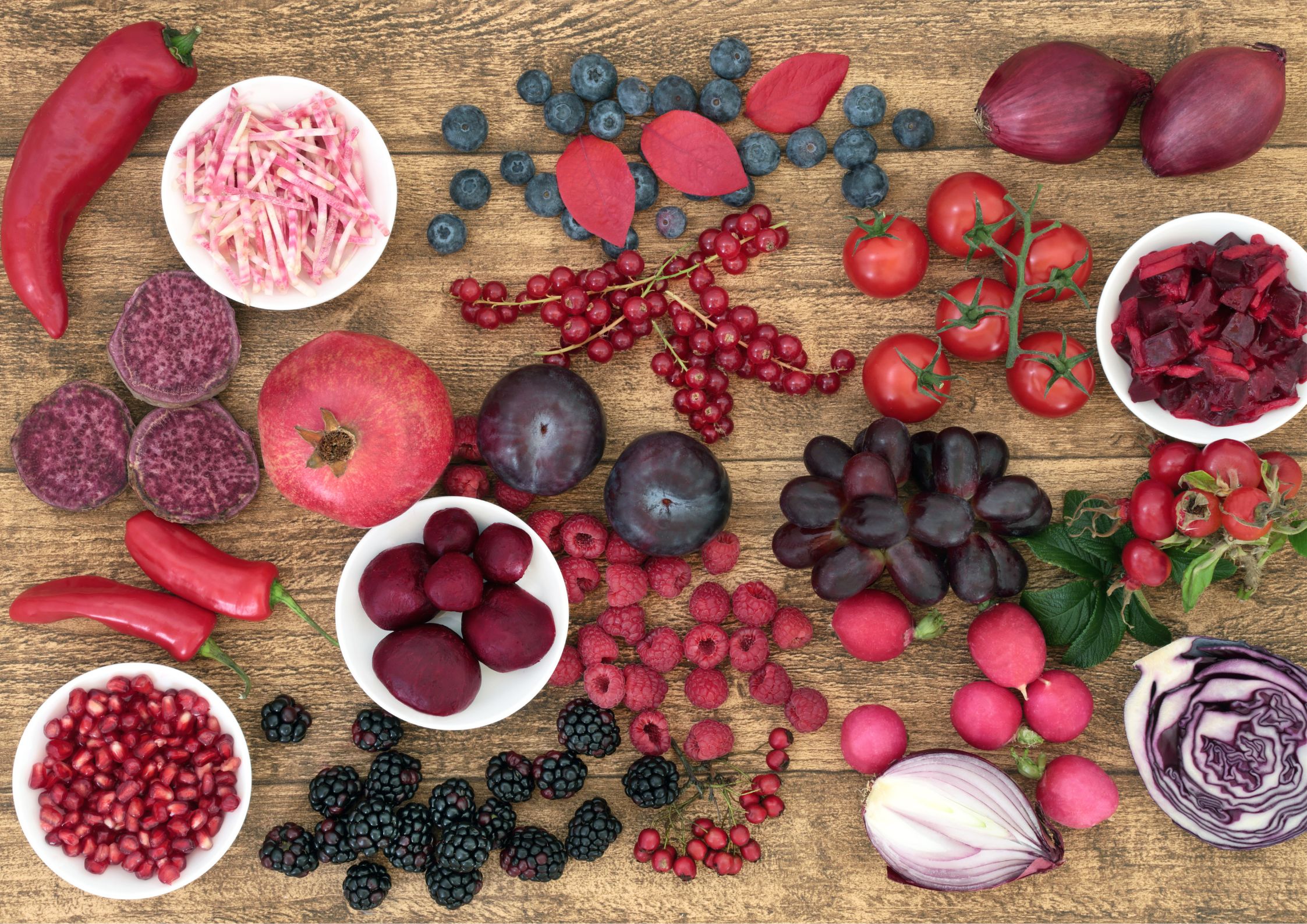
Anthocyanins are widely used in various fields, particularly in food coloring, due to their excellent coloring properties. However, with the continuous advancement of technology, it has been discovered that anthocyanins not only help color food but also have significant benefits in preventing and treating cardiovascular disease, neurological diseases, cancer, diabetes, and other diseases. However, anthocyanins have strict environmental requirements during processing and storage. Temperature, pH, light, humidity, and even oxygen can affect anthocyanin stability. Adding metal ions, whey protein, or adjusting the pH of the anthocyanin solution can help improve anthocyanin stability. Microencapsulation or the addition of colorants can also help improve anthocyanin stability.
Therefore, researchers have explored various methods for anthocyanin extraction. Traditional extraction methods (such as solvent extraction and reflux) suffer from low extraction efficiency, long extraction times, easy destruction of active ingredients, and high solvent usage. Ultrasonic-assisted extraction (UAT) significantly optimizes the anthocyanin extraction process through the "cavitation effect" and mechanical action, becoming one of the most popular and efficient extraction methods.
Ultrasonic extraction technology: Ultrasonic extraction uses ultrasound to accelerate the dissolution of active ingredients, thereby improving anthocyanin extraction efficiency. The highest anthocyanin extraction yield from purple sweet potatoes is achieved at a temperature of 60°C, an ethanol concentration of 90%, and a total processing time of approximately one hour. Furthermore, through extensive extraction experiments, scientists have found that ultrasonic extraction technology offers high extraction efficiency and minimal damage to anthocyanins.
Ultrasonic anthocyanin extraction equipment utilizes ultrasound technology to efficiently extract anthocyanins at low temperatures. This technology shortens extraction time, maintains anthocyanin stability, and improves extraction yield and quality. This technology is commonly used for extracting anthocyanin from sources such as purple corn and blueberries. This equipment is typically constructed of corrosion-resistant stainless steel and can be designed for either a tank or countercurrent extraction method depending on specific needs.

Key Features and Advantages:
Efficient Extraction:
The cavitation effect of ultrasound can disrupt plant cell walls, accelerating the release of anthocyanins and improving extraction efficiency and yield.
Low-Temperature Extraction:
Extraction can be performed at lower temperatures, effectively maintaining the stability of heat-sensitive ingredients such as anthocyanins and reducing degradation.
Shortening Time:
Compared to traditional methods, ultrasonic extraction is faster, significantly shortening the process.
Maintaining Stability:
Effective extraction within a short period of time avoids damage to anthocyanins caused by prolonged heating, preserving their original activity.
Equipment Materials and Applications:
Material:
Usually made of corrosion-resistant materials such as 304 stainless steel, it is resistant to acid and alkali environments and is suitable for the food processing industry.
Applications:
Widely used for the extraction of anthocyanin-rich natural plants such as purple corn, blueberries, mulberries, and wolfberries.
Process Type:
Can be designed as a tank extraction or continuous countercurrent extraction process to meet the needs of different production scales.