

Ultrasonic Extraction Technology For Propolis: Principles, Key Temperature Control Factors, And Core Advantages
Mar 26, 2026
Propolis, a natural active substance formed by bees collecting plant resins and mixing them with their own secretions, is rich in flavonoids, phenolic acids, and other bioactive components. It possesses multiple effects, including antibacterial, anti-inflammatory, and antioxidant properties. Its extraction efficiency and quality directly determine the medicinal and health-promoting value of the final product. Ultrasonic extraction technology, with its high efficiency, gentleness, and energy saving, has gradually replaced traditional methods such as soaking and reflux, becoming the mainstream technology for propolis extraction. It is also widely used in the auxiliary extraction of active ingredients from honey.
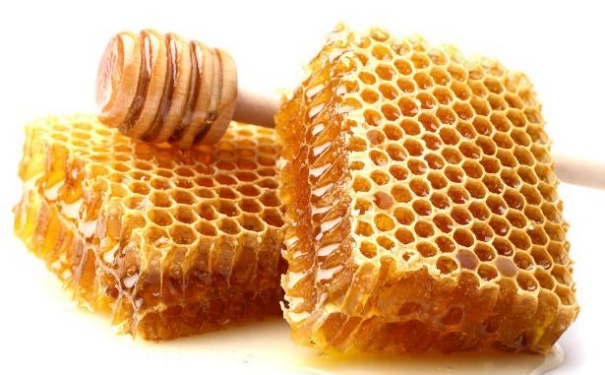
I. Core Principles of Ultrasonic Extraction of Honey and Propolis
The core of ultrasonic extraction technology is utilizing the cavitation effect, mechanical vibration effect, and gentle thermal effect generated when ultrasound propagates in a liquid medium to break down the structural barriers of the raw materials, accelerating the dissolution and diffusion of active ingredients. While its mechanism of action is similar in honey and propolis extraction, it also differs due to the characteristics of the raw materials.
(I) Principle of ultrasonic extraction of propolis The main active ingredients of propolis (flavonoids, phenolic acids, etc.) are mostly encapsulated in its resinous matrix and cell wall. Traditional extraction methods are time-consuming, have low dissolution rates, and easily damage heat-sensitive components. Ultrasonic extraction achieves high efficiency through the synergistic effect of three major effects: First, the cavitation effect, a key mechanism-as ultrasound propagates in the extraction solvent (commonly 70% ethanol, which maximizes the retention of active ingredients), it periodically generates negative and positive pressure zones. In the negative pressure zone, numerous tiny cavitation bubbles form, while in the positive pressure zone, these bubbles rupture instantaneously, releasing extremely strong shock waves and microjets that directly impact the cell walls and matrix structure of propolis, breaking down barriers such as cellulose and lignin, forming "channels" that allow the solvent to quickly penetrate into the raw material, while simultaneously accelerating the diffusion of active ingredients into the solvent.
II. Temperature Control in Propolis Extraction: Core Challenges and Key Requirements The core challenge in propolis extraction is temperature control. Its active ingredients, such as flavonoids, phenolic acids, volatile compounds, and phytotoxicants, are all heat-sensitive substances, extremely sensitive to temperature. Excessive temperature can cause thermal degradation of these components, damaging their molecular structure and reducing the extract's medicinal efficacy and nutritional value. Insufficient temperature reduces solvent flow and molecular motion rates, affecting the dissolution efficiency of active ingredients, prolonging the extraction cycle, and even leading to incomplete extraction.
Industry research indicates that the optimal temperature range for propolis extraction is 15-30℃. Some heat-sensitive active ingredients (such as certain volatile compounds) need to be controlled below 2℃ to fully retain their biological activity. Exceeding this threshold not only leads to the degradation of active ingredients but may also melt impurities in the propolis (such as beeswax), increasing the difficulty of subsequent filtration and purification, and affecting the purity and quality of the final product. Furthermore, ultrasonic operation inevitably generates heat. If this heat cannot be controlled in time, the temperature of the extraction system will continue to rise, exceeding the optimal range. This places extremely high demands on the temperature control capabilities of the extraction equipment-it must simultaneously ensure ultrasonic extraction efficiency while simultaneously offsetting the excess heat generated by ultrasonic operation to maintain a stable system temperature.
III. RPS-SONIC's Temperature Control Technology: Precise Balance Between Extraction and Heat Control
As a professional enterprise in the field of ultrasonic extraction equipment, RPS-SONIC has addressed the challenges of temperature control in propolis extraction by leveraging its core technologies to create a three-dimensional temperature control system of "active cooling + intelligent regulation + precise monitoring." This system achieves a perfect balance between extraction efficiency and temperature control, effectively resolving the contradiction between heat generation during ultrasonic operation and the protection of heat-sensitive components. Its core technological highlights are as follows:
(I) Built-in High-Efficiency Circulating Cooling System to Real-Time Counteract Ultrasonic Heat Generation
RPS-SONIC's ultrasonic extraction equipment is equipped with a customized circulating cooling jacket and a low-temperature coolant circulation device. The cooling jacket surrounding the extraction tank and the built-in cooling pipeline form a closed-loop cooling system. The coolant (using a special low-temperature medium with high thermal conductivity and strong stability) continuously circulates in the pipeline, quickly absorbing excess heat generated during ultrasonic operation and achieving real-time heat transfer and dissipation. Unlike ordinary cooling systems, this system employs a "zoned cooling" design, precisely allocating cooling power to different areas of the extraction tank (the concentrated ultrasonic action zone and the solvent settling zone). This avoids localized overheating or underheating, ensuring the entire extraction system maintains a uniform and stable temperature within the set range (precisely controllable within ±0.5℃ error), thus addressing the temperature runaway problem caused by ultrasonic heat generation at its source.
(II) Intelligent Pulse Ultrasonic Technology, Reducing Heat Accumulation
To further reduce heat accumulation during ultrasonic operation, RPS-SONIC innovatively adopts intelligent pulse ultrasonic control technology, abandoning the traditional continuous ultrasonic operation mode. It controls the "work-pause" cycle of the ultrasonic waves through a preset program (which can be flexibly adjusted according to the characteristics of the propolis raw material and the extraction stage). During the ultrasonic working phase, the equipment operates at optimal power to ensure the full utilization of cavitation and mechanical vibration effects, accelerating the dissolution of active ingredients. During the pause phase, the cooling system operates at full capacity to quickly dissipate the heat generated in the previous stage, while simultaneously allowing the solvent and propolis particles to mix thoroughly, preventing localized overheating. This alternating "pulse-cooling" mode ensures extraction efficiency while effectively controlling system temperature, minimizing temperature fluctuations during extraction. It is particularly suitable for extracting heat-sensitive active ingredients from propolis, completely avoiding the problem of sudden temperature rises caused by continuous ultrasound.
(III) Precise Temperature Monitoring and Intelligent Control for Dynamic Balance The RPS-SONIC device incorporates a high-precision PT100 temperature sensor, which monitors temperature changes in the extraction system in real time at a frequency of up to 10 times per second. This allows for precise capture of minute temperature fluctuations and real-time transmission of the data to the intelligent control system. The control system employs AI algorithms, combined with preset temperature parameters and extraction stages, to automatically adjust the ultrasonic power, pulse cycle, and cooling system intensity. When the temperature approaches the set upper limit, it automatically reduces ultrasonic power, shortens ultrasonic working time, and increases cooling power; when the temperature falls below the set lower limit, it appropriately extends ultrasonic working time and reduces cooling power, achieving a dynamic balance between "extraction efficiency" and "temperature control." In addition, the equipment is equipped with a touch-screen PLC control system, allowing operators to precisely set the temperature range and control parameters according to the type and particle size of the propolis raw material (e.g., propolis powder pulverized from 80-120 mesh) and extraction requirements. It also features automatic over-temperature protection, further ensuring the safety and stability of the extraction process and preventing damage to the active components of the propolis.
(IV) Optimized Equipment Structure for Enhanced Temperature Control
RPS-SONIC has specifically optimized the structure of the extraction equipment. The extraction tank is made of polytetrafluoroethylene (PTFE), a material with uniform thermal conductivity, high temperature resistance, and corrosion resistance. This avoids localized thermal damage to metal materials due to resonance and reduces heat conduction and accumulation. A porous baffle plate is installed inside the tank, which reduces the temperature gradient (controlled within 5℃) and maintains a uniform ultrasonic field strength (0.5-1W/cm²), ensuring consistent temperature across the extraction system and uniform dissolution of active components. In addition, the equipment adopts a modular design, and the cooling system and ultrasonic system can be linked synchronously to respond in real time according to the temperature changes during the extraction process, further improving the temperature control accuracy and efficiency, meeting the extraction needs of different batches and specifications of propolis, and ensuring the consistency of product quality.