

How Is Ultrasound Used in Essential Oil Extraction?
Nov 18, 2025
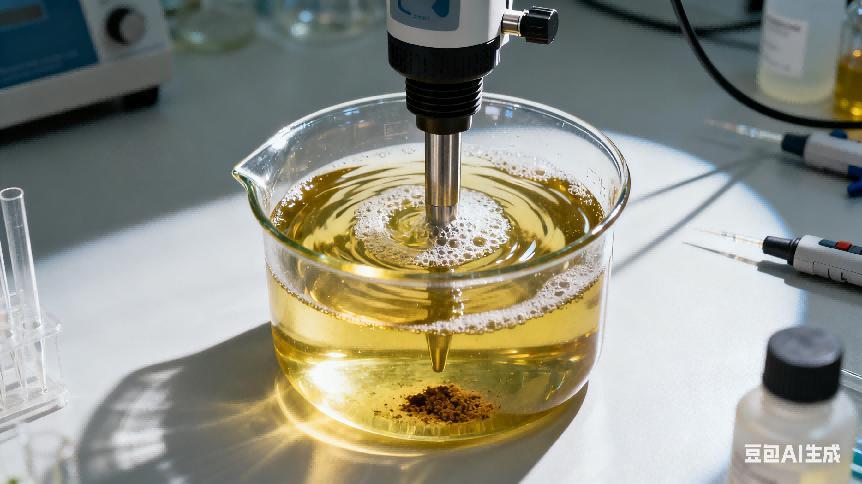
Ultrasonic essential oil extraction is a modern separation technology that utilizes the cavitation effect, mechanical vibration, and thermal effect of ultrasound to achieve efficient extraction of plant essential oils. Its core mechanism lies in the fact that when ultrasound propagates in a liquid medium, it generates countless tiny bubbles. These bubbles rapidly expand and burst under pressure changes, instantly releasing an impact force of thousands of atmospheres (cavitation effect). This force can quickly break down plant cell walls, cell membranes, and vacuolar structures, allowing the essential oil components encased within the cells to be fully exposed and dissolved in the extraction solvent.
I. Core Advantages: A Breakthrough Compared to Traditional Methods
Compared to traditional essential oil extraction techniques such as distillation, pressing, and solvent extraction, ultrasonic extraction exhibits significant advantages, becoming a direction for technological innovation in the essential oil industry:
1. Higher Extraction Efficiency: The cavitation effect of ultrasound acts directly on plant tissues, eliminating the need for lengthy soaking or high-temperature heating processes. Extraction time is typically reduced to 1/3 to 1/10 of traditional methods. For example, when extracting lavender essential oil, traditional distillation requires 3-4 hours, while ultrasonic extraction only requires 30-60 minutes to achieve a similar or even higher oil yield.
2. More Complete Component Preservation: The extraction process temperature can be controlled within a low-temperature range of 30-50℃, avoiding the damage of heat-sensitive components in the essential oil (such as terpenes and phenolic compounds) caused by high temperatures. It also reduces oxidation reactions, ensuring that the aroma, active ingredients, and natural properties of the essential oil are closer to those of the plant itself. 3. Improved Raw Material Utilization: Ultrasonic waves can penetrate deep into plant tissues, breaking down microstructures that are difficult to access using traditional methods. This allows essential oil components that are previously difficult to release to fully dissolve, typically increasing oil yield by 10%-30%, especially suitable for precious or rare plant materials.
4. Green, Environmentally Friendly, and Gentle: It eliminates the need for large amounts of organic solvents (or reduces solvent usage), lowering the risk of chemical residues and environmental pressure. Simultaneously, the gentle mechanical action does not damage the molecular structure of the plant's active ingredients, ensuring the purity and safety of the essential oil.
5. Flexible and Convenient Operation: The equipment is relatively compact, and the operation process is simple. Parameters such as ultrasonic power, extraction time, and solvent ratio can be flexibly adjusted according to the characteristics of different plant materials (such as petals, leaves, and roots), making it more adaptable.
II. Application Scenarios: Covering the Essential Oil Extraction Needs of Multiple Fields
Ultrasonic essential oil extraction technology, with its unique advantages, has been widely applied in multiple fields, becoming the preferred extraction solution for industries such as natural fragrances, pharmaceuticals, and cosmetics:
◆ Aromatherapy and Fragrance Industry: Suitable for extracting essential oils from common aromatic plants such as lavender, rose, rosemary, and peppermint, maximizing the preservation of the natural aroma and active ingredients of the essential oils for use in the production of aromatherapy, massage oils, and natural perfumes.
◆ Pharmaceuticals and Health Products: Enables efficient extraction of volatile active ingredients from medicinal plants (such as danshen, angelica, and honeysuckle), with the resulting essential oils used in the research and development of traditional Chinese medicine and health products, enhancing the efficacy and purity of the products.
◆ Cosmetics and Skincare Industry: Extracts essential oils from plants such as tea tree, chamomile, and orange blossom for use in products such as toners, serums, and creams, leveraging the natural anti-inflammatory, antioxidant, and moisturizing effects of essential oils to create gentle and effective skincare products.
◆In the field of food additives: Extracting essential oils from citrus fruits (orange peel, lemon peel) and herbs, and adding them to food as natural food flavorings and preservatives to replace chemically synthesized additives and improve the safety and flavor of food